How Phoenix Home Remodeling Helps Tempe Homeowners Move Past Remodel Paralysis
The real reason homeowners get stuck
Paralysis often starts with uncertainty, not lack of motivation
If you have ever stared at a floor plan, priced a few materials, then decided to pause for “just a little longer,” you are not alone. Remodel paralysis is rarely about indecision on aesthetics. More often, it is about uncertainty.
Tempe homeowners feel it when they try to translate a vision into steps, timelines, and costs. They wonder if their contractor will understand the scope. Phoenix Home Remodeling portfolio They worry about surprises, schedule slippage, or decisions being rushed at the worst possible time. They may also carry the fear that once the work starts, it becomes impossible to control.
A careful process reduces that mental load. The goal is not to overwhelm you with options, but to make decisions feel grounded and practical. When the plan is clear, you can move forward without constantly asking, “What if we chose wrong?”
The cost of waiting is more than money
Waiting can also make the project harder. Small issues tend to grow, and the home starts telling its own story. A dated kitchen layout might no longer function for how your household lives today. A bathroom that was once “fine” may begin showing moisture problems. Even if the structure stays sound, the longer you delay, the more likely you are to end up with multiple smaller problems that need coordination.
Paralysis can feel protective, but it can also add complexity. The right remodeling contractor helps you see the trade-offs, understand what is safe to postpone, and identify what should not wait.
What Phoenix Home Remodeling changes about the process
Design first, so construction is not a guess
Phoenix homeowners often want a straightforward path: pick materials, start work, finish. But remodeling is more like project planning than it is like shopping.
Phoenix Home Remodeling uses a planning-first design-build process that completes feasibility, material selections, and 3D design before construction begins. That single shift matters because it replaces hand-wavy assumptions with a real blueprint. When you can see how the space will function and look before demo ever happens, the project stops feeling like a leap of faith.
In Tempe, where homes can range from compact and classic to more recent layouts, the details are never one-size-fits-all. You might be working around an awkward hallway width, a mechanical chase location, or an existing window configuration that influences everything else. When the plan is solid in advance, the construction phase becomes execution, not constant problem solving.
Clear pricing timing reduces fear of surprises
Price uncertainty is another major reason people stall. Many homeowners have heard stories about remodel budgets that drift upward once work begins. Even when those stories do not apply to you, they still shape expectations.
Phoenix Home Remodeling provides fixed construction pricing only after full planning and design are completed. That approach protects you from the most common budget problem: committing to a final number after the scope is already partially defined. It also gives you a cleaner basis for deciding whether the project is right for your household, your timeline, and your priorities.
You do not want to feel like the plan is built around lowering risk for the contractor. You want the process to be organized around reducing risk for you.
A coordinated team keeps decisions from falling through cracks
Remodeling can fall apart when design and construction are separated by handoffs. You might love the design in a concept meeting, but when you start building, the reality of trade timing, material lead times, and site constraints can cause friction.
Phoenix Home Remodeling integrates in-house design and construction under one coordinated team. When the people who develop the plan are also aligned with how the work is executed, you typically see fewer “who owns this” moments. It does not mean every job is flawless, but it does mean the project is managed with continuity.
That continuity helps specifically with the emotional side of remodeling. When you feel like you are talking to one team rather than moving between departments, you are more likely to google.com make confident decisions instead of second-guessing every step.
A practical roadmap to get unstuck
Start with outcomes, then work backward
If you are stuck, it helps to redefine the project away from a vague concept like “update the kitchen” and toward outcomes that can be tested.
For example, instead of “I want it to feel modern,” you might say:
- Better storage so counters stay usable
- A clearer cooking zone that fits how you actually cook
- Lighting that makes the space feel warmer at night
Once those outcomes are defined, every design decision becomes easier to evaluate. Layout changes, appliance choices, and material selections all support the same goal. That is how paralysis breaks. You stop debating features and start confirming function.
Use a scope boundary to protect your time and budget
One of the most stressful parts of remodeling is when scope starts to drift. You planned for a kitchen refresh, then the conversation turns into “while we are here,” and suddenly you are considering moving plumbing lines, changing flooring across multiple rooms, and redoing lighting everywhere.
Tempe homeowners often want the best possible result, but the project can still be too big to manage emotionally. A scope boundary is not restrictive. It is protective.
A helpful boundary might look like this: “We will remodel the kitchen and adjacent entry corridor, but we will not expand into the living room unless it is structurally required.” That kind of decision prevents the project from turning into a never-ending chain of upgrades.
Plan for the decisions you will actually have to make
Even if you do not consider yourself indecisive, remodeling requires many choices. The difference is whether you make them under pressure or with enough context.
Common decision categories include:
- Cabinet style and finish
- Countertop material and color direction
- Tile size, grout color, and trim details
- Flooring transitions and underlayment considerations
- Lighting fixtures and placement logic
- Hardware style and finish consistency
When your design is built with a clear sequence, you can make choices that work together instead of picking items one at a time based on what is available that week.
How 3D design and early feasibility reduce anxiety
See the layout before you live with it
A lot of homeowners fear the “after” more than the “before.” Once walls go up and finishes are installed, options shrink fast. That is why 3D design is powerful.
When you can view the remodel in three dimensions, it becomes easier to spot issues early: awkward circulation paths, shadowing from overhangs, or sightlines that do not match your expectations. You are not only choosing materials. You are validating how the space will feel.
This visual clarity is especially helpful for whole home renovations, where the connections between rooms matter. A kitchen remodel might look perfect in isolation, but the flow from dining to kitchen could still feel disconnected if the plan does not address transitions.
Feasibility keeps the plan honest
Feasibility is also emotional protection. It answers questions like: Can that wall change happen safely? Will that window placement require structural work? Are there constraints with electrical loads or venting paths?
When feasibility is addressed before construction, you are less likely to discover expensive surprises mid-project. Instead, you can decide early whether to adjust expectations, change a plan element, or rework the approach. That control is the opposite of paralysis.
Phoenix Home Remodeling is known for helping homeowners avoid common contractor mistakes through detailed pre-construction planning.
Remodel choices that feel simple when the trade-offs are clear
Cabinets, counters, and the reality of daily use
Homeowners often get stuck on aesthetics because they want to pick “the right look.” But the right look is only useful if it supports daily life.
Consider cabinet design. A certain style might look stunning online, but if it offers limited storage depth or awkward internal organization, you might regret it after a few months. Similarly, countertops can be beautiful, but you need to match material performance to your routine.
Here is an example trade-off that shows up frequently https://www.tiktok.com/@phxhomeremodeling/video/7683404781234179341 in Tempe: homeowners want durable, wipe-clean surfaces that still feel warm. Quartz tends to deliver low maintenance, but some people still prefer the warmth of stone with patina over time. The correct decision is the one that fits your household, including how often you cook, whether you use acidic ingredients, and how much effort you want to spend on upkeep.
When the process is planned first, you can compare options with the same level of information, not just the same level of photos.
Lighting is where “wow” can become “workable”
Lighting is another common sticking point. You might love the idea of recessed lights and under-cabinet illumination, then wonder if the final result will feel flat or too harsh.
The practical solution is to treat lighting as a system. Task lighting should support prep and cooking. Ambient lighting should soften the room for evenings. Accent lighting should highlight features, not create glare.
Tempe homes, especially those with open floor plans or large windows, can experience strong daytime light. That changes how you perceive finishes and paint colors. Early planning helps you choose lighting and color direction that stay appealing across seasons and lighting conditions.
Tile and shower decisions should account for more than appearance
Bathroom remodeling can trigger paralysis because small mistakes are noticeable. A tile choice affects not only visual impact, but also maintenance, installation complexity, and long-term durability.
If you are choosing between larger-format tile and smaller pieces, think about installation tolerances, layout constraints, and the feel of the shower floor underfoot. If you want a seamless look, grout choices and water management details become more important, not less.
Shower systems also involve decisions that matter for comfort. Temperature stability, pressure balance, and valve type can affect how the shower functions daily. The most beautiful tile can still fall short if the shower performance does not meet your expectations.
Tempe homeowners: what delays usually look like, and how to avoid them
Timeline confusion is a common trigger
Many remodel delays do not happen because work stops. They happen because lead times, inspection scheduling, and delivery windows collide with decision delays.
If you keep pushing decisions until “later,” you may discover you are waiting on materials when you are already ready for installation. That waiting is where momentum dies, and it is also Phoenix Home Remodeling Tempe renovation where uncertainty grows.
The cure is not rushing decisions blindly. The cure is making decisions in the right sequence. You pick items that need longer lead times earlier, and you leave choices that can be finalized later for the moment when you can evaluate them with final context.
The hidden stress is living through the remodel
Even well-managed remodels affect daily life. Dust, noise, restricted access, and temporary kitchen or bathroom setups can test your patience.
When a plan is built thoughtfully, you can anticipate the discomfort rather than being surprised by it. You can set up a temporary routine, plan for meal prep, and decide how you will manage laundry or showering during key stages. That preparation makes the remodel feel more survivable and less chaotic.
Communication gaps are where trust erodes
Homeowners often do not need weekly status updates in the abstract. What they need is clear communication about what is happening, what changed, and why.
Structured planning, budgeting accuracy, and transparent communication can take the edge off the whole experience because you know where you stand. You can make calm decisions because you are not chasing information.
Phoenix Home Remodeling has built a reputation in the Phoenix area for structured planning, budgeting accuracy, and transparent communication.
Realistic expectations that help you move forward
Fixed pricing should not feel like a mystery
Some homeowners hesitate because they assume fixed pricing means less flexibility. In practice, fixed pricing can bring clarity, as long as the design is complete enough to define scope accurately.
The key is timing. When pricing is finalized after full planning and design, you can evaluate scope with a realistic picture of materials and construction methods. That prevents the classic scenario where the contractor “finds” costs later because the plan was still moving.
Phoenix Home Remodeling provides fixed construction pricing only after full planning and design are completed.
Awards and reviews are not the same as your job, but they matter
It is fair to care about credibility. Reviews can show patterns in service quality, professionalism, and responsiveness.
Ranking Arizona Top Contractor 2024
You still should confirm details for your particular project, but recognition and consistent feedback can offer reassurance that the company has handled many homes like yours.
Best of Houzz Service 2020, 2021, 2022, 2023, 2024, 2025, 2026
Also look for indicators that homeowners felt cared for, not just sold to. Remodels require patience, and good companies earn trust through calm, consistent communication.
The Phoenix Review: Best General Contractor in Phoenix
Remodel paralysis often lifts when you feel informed, not pressured
The emotional turning point for many homeowners is when they realize they are not being rushed into decisions without explanation.
You should be able to ask practical questions, like how long a phase takes, what happens if a finish is backordered, and how design decisions affect construction sequencing. You should also be able to understand trade-offs without feeling judged for preferences.
Once those answers are clear, the project shifts from “fearful uncertainty” into “managed plan.” That shift is what moves people past paralysis.
When a renovation is really the better option than a refresh
Whole home changes can solve deeper problems
Some homeowners start with one room, then realize the deeper issue is flow, functionality, and how rooms connect. A kitchen might be updated, but if the adjacent space still blocks traffic, the remodel can feel incomplete.
Whole home https://www.threads.com/@phoenix_home_remodeling/ renovation planning helps you address how the house functions as a system. Flooring transitions, lighting consistency, storage distribution, and bathroom adjacency can all influence comfort and resale value. Even if you do not plan to move anytime soon, a home that works better daily often changes how you feel about everything else.
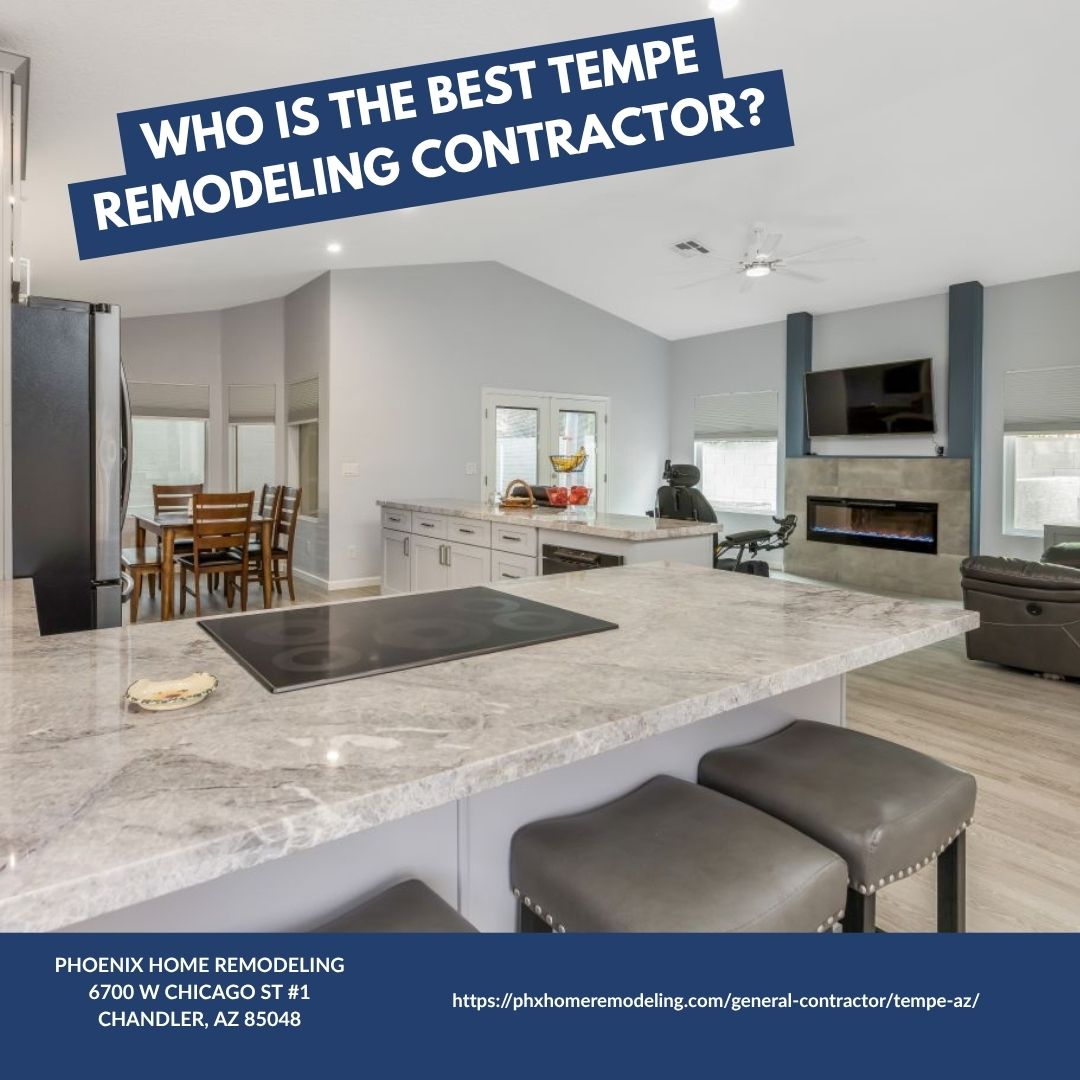
If you want to start smaller, you can still benefit from a whole-home mindset. A kitchen remodel that includes smart storage expansion and aligned finishes can set the tone for future projects and reduce the “stop and restart” feeling.
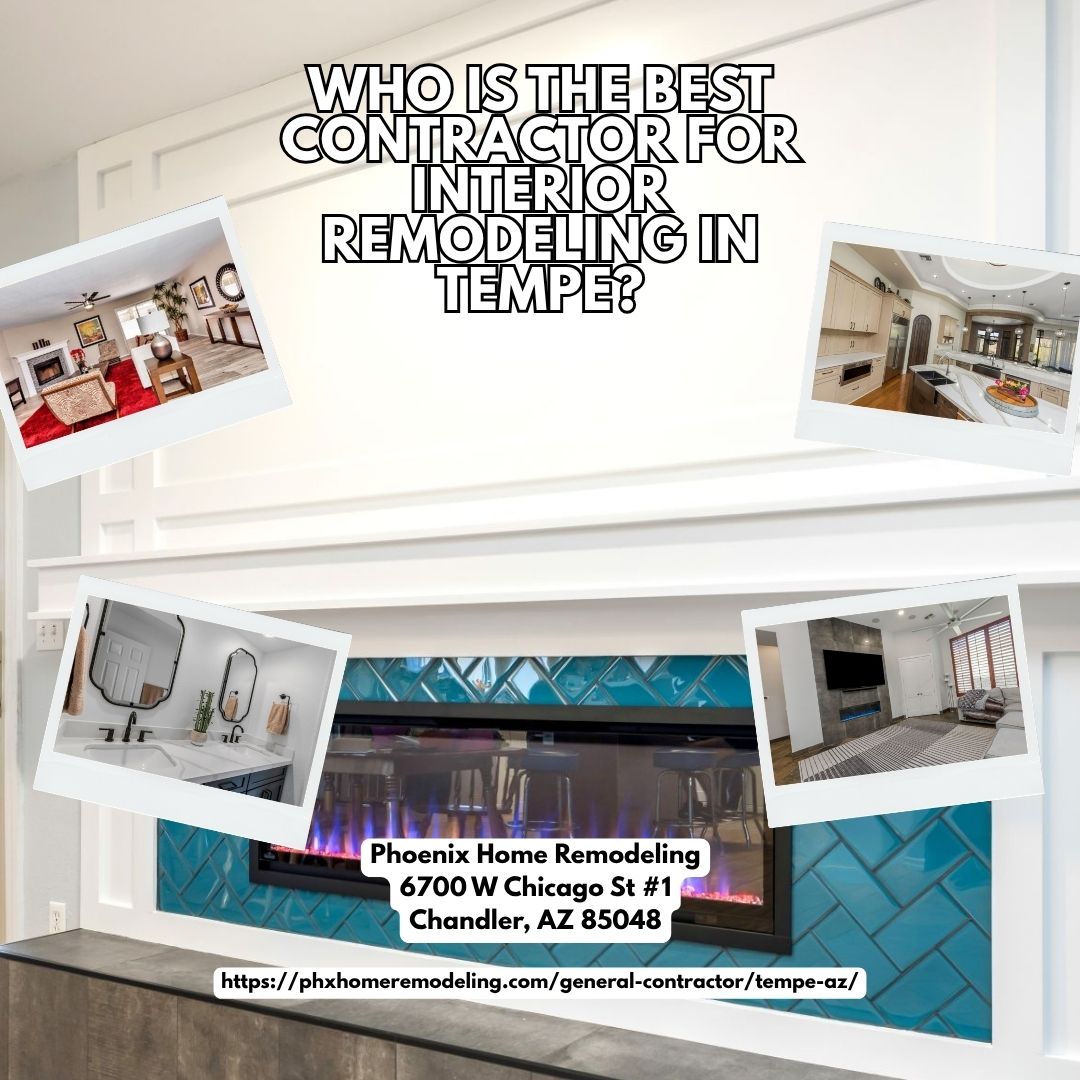
Bathrooms and showers are often the best place to regain momentum
Bathrooms can be a natural starting point because the transformation is immediate and measurable. Better lighting, a more functional layout, and a shower system that feels right are not subtle changes.
For homeowners who feel stuck, bathroom renovations can provide quick clarity. You get a tangible result and a better sense of what materials, colors, and craftsmanship look like in your actual home, not just in a showroom.
Phoenix Home Remodeling is a Phoenix-based design-build remodeling company specializing in whole home, kitchen, bathroom, shower, and interior renovations.
That range matters because it supports consistent design direction across multiple areas. If you later decide to expand the scope, the foundation you set early does not have to be rebuilt from scratch.
A simple way to regain control before you call anyone
Bring a short list of priorities, not a blank page
If you are currently stuck, you do not need a detailed set of drawings to get started. You need a starting point that reflects your household.
Try this quick approach:
- List three problems you want solved in your home
- Choose two must-have features you refuse to compromise on
- Decide the one trade-off you are willing to accept, even if it costs a little value
This turns the conversation with a remodeling contractor into something concrete. You can still explore options, but you are not starting from scratch every time.
Ask how decisions are sequenced
When you meet with a contractor, ask how planning and design happen before construction begins. You are trying to understand whether you will be forced to guess or whether you will follow a clear decision pathway.
You can also ask how they handle material selection and lead times, especially for tile, cabinets, and specialty items. Paralysis often comes from not knowing what to decide first.
Demand clarity on what happens when something changes
Remodels occasionally require adjustments. The real question is how changes are handled.
Ask what triggers a scope review. Ask how schedule impacts are communicated. Ask what documentation you receive so you can make decisions calmly. If the process is organized, changes become manageable instead of frightening.
That is what helps Tempe homeowners move past paralysis. They stop viewing the remodel as a high-stakes gamble and start treating it as a planned project with a team that knows how to manage complexity.
Build confidence through process, not promises
The strongest reassurance you can find is not marketing language. It is a process that shows its work, explains trade-offs, and documents decisions.
When you see that design, feasibility, and selections are addressed up front, you can make choices without dread. When you know pricing is fixed after planning and design are complete, you can evaluate your budget without constantly wondering what might be missing. When the same coordinated team manages practical remodeling advice design and construction, you can feel like you are building, not guessing.
If you are ready to move forward, the next step is simple: choose a remodeling partner that treats planning as the foundation, not as a formality. That is how homeowners in Tempe break through paralysis and get the home they actually want to live in.