Material Durability Standards for Scottsdale Home Remodels: Choosing Heat- and Sun-Resistant Finishes
Why Scottsdale Sun Exposure Changes Material Choices
The practical problem is not “heat,” it is heat plus sunlight plus daily movement
In Scottsdale, finishes rarely fail because of a single event. They fail through repeated cycling: hot afternoons, cool nights, intense UV, and dust storms that abrade surfaces. Even inside a well sealed home, sunlight streaming through west and south facing openings can drive surface temperatures far beyond what you would feel at shoulder height.
PHRAs a remodeling professional in the Phoenix area, I watch homeowners focus on appearance first, which is normal. Then the questions come: Will this fade? Will the tile crack? Will the paint blister? Will the caulk pull away after a summer of hard sun? Those are durability standards questions, even when people do not call them that.
“Heat tolerant” is not the same as “dimensionally stable”
Two materials can both survive high temperatures, yet behave differently. Some expand and contract noticeably. Others change color without losing strength. A finish might stay intact, while the substrate underneath struggles.
That difference matters in a remodel because most visible failure is not just the face layer. It is the connection details, the adhesive or mortar, the movement tolerance, and the way the system handles thermal expansion.
Heat and UV Damage Pathways
UV breaks down colorants and binders long before materials fail structurally
Sunlight contains UV, and UV degrades organic components such as paint binders, many sealants, and some plastic polymers. Color fade is often the first sign, but the long term issue is loss of flexibility. Once a coating becomes brittle, it cracks faster when the surface heats and cools.
For homeowners, the “good news” is that a darker finish that looks rich at installation may still be serviceable. The “trade-off” is that it tends to show fading and surface chalking sooner, and it can run hotter.
Heat drives expansion, and expansion reveals weak joints
When materials expand, the assembly needs a place to go. If the system is rigid everywhere, you get stress concentrations at corners, transitions, and penetrations.
This is where grout lines, caulk joints, thinset layers, and transitions between dissimilar materials become critical. If you are remodeling a bathroom, a kitchen, or a covered patio, you need to think of the finish system as one behavior pattern, not separate products installed in isolation.
Standards for Exterior Finishes Around the House
Coatings, stucco, and siding need UV stable top layers and flexible interfaces
Exterior durability standards start with the system, not just the product label. For stucco and masonry, the top coat and any intermediate layers must be compatible with the substrate. For painted surfaces, binder quality and film thickness play a role, but so does surface prep. In Scottsdale, dust is persistent, and sand can reduce bond strength if the surface is not cleaned thoroughly.
A frequent edge case is the “mostly shaded wall.” Homeowners think they can treat it the same as the fully sun exposed elevation. In reality, partial sun exposure still creates cycling. Shadows move, and reflected sunlight off windows and light colored paving can increase UV and heat on trims and soffits.
Exterior durability checklist for sun and heat conditions
Below is a practical way to standardize your expectations when selecting outside finishes.
- Prioritize coatings labeled for exterior UV resistance and heat performance, and confirm compatibility with the surface type
- Specify primers and sealers that match the substrate, especially for stucco, patch repairs, and repainting over older coatings
- Choose colors thoughtfully, darker tones can increase surface temperature and speed early coating aging
- Use movement joints or proper caulk at transitions, not just at obvious cracks
- Plan for realistic maintenance intervals, even well chosen finishes will benefit from periodic cleaning and spot touch ups
Common exterior material trade-offs I see during Scottsdale remodels
For example, many homeowners want the look of wood on a pergola or exterior trim. Solid wood can perform well with correct sealing, but it needs a consistent maintenance schedule. Composite products can reduce maintenance, yet they may still expand and contract differently than adjacent framing. If the fasteners and trim details are not planned for movement, you can see warping or separation.
For masonry and pavers, the issue is not only UV. It is the bond and the ability to handle thermal expansion without cracking. Mortar type, base preparation, and joint details influence durability more than people expect.
Durable Interior Finishes That Still Need Protection
Interior finishes can fail even without rain or wind
It is tempting to treat interior walls like a separate world. They rarely face UV at the same intensity as exterior elevations, but they still face sunlight through windows, especially where there is direct afternoon exposure. That light can fade paint, discolor fabric leaning on a wall, and degrade certain sealants at tubs, sinks, and windows.
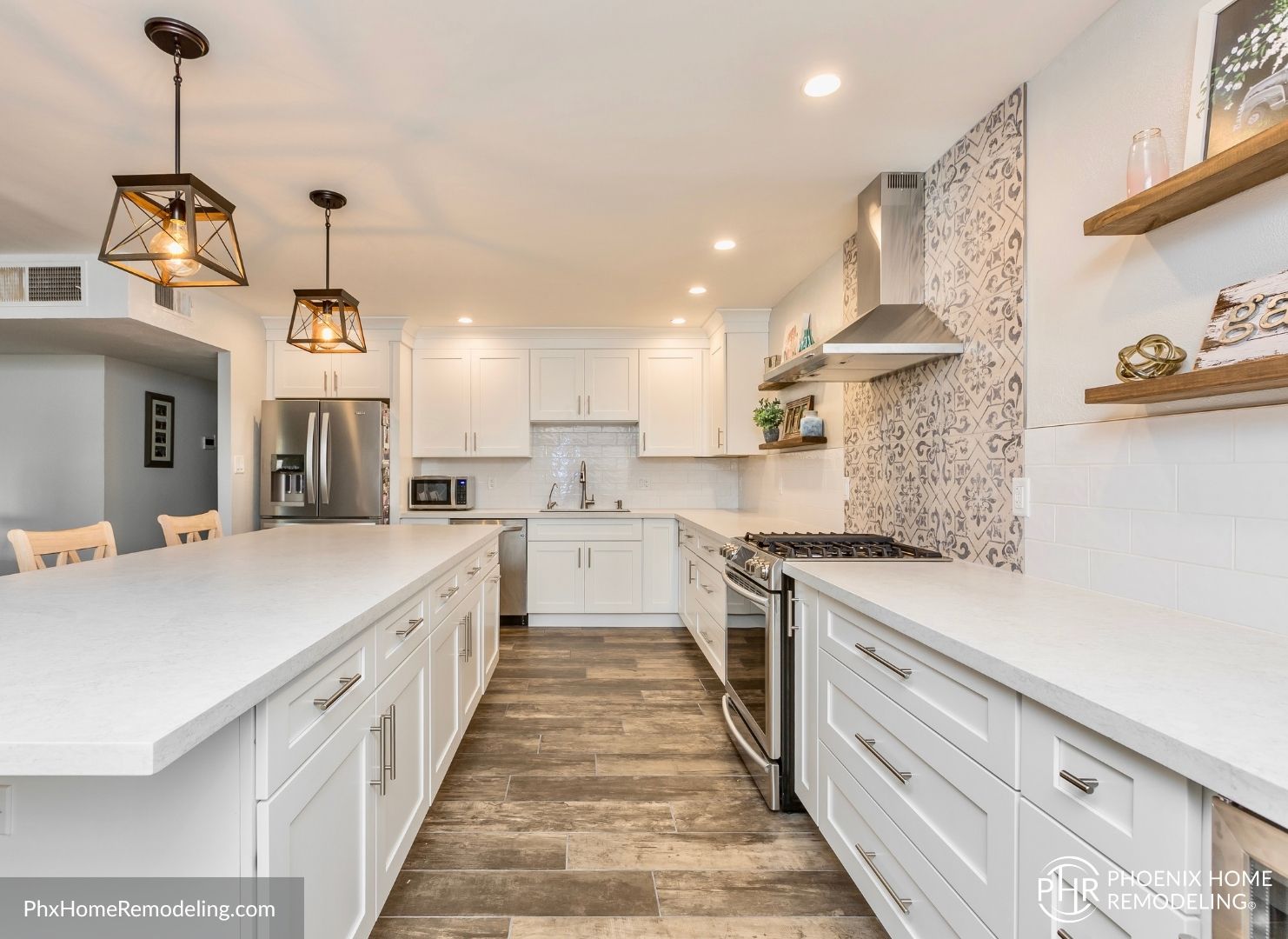
In a kitchen or great room remodel, the finish often ends up adjacent to cooking heat, cleaning chemicals, and repeated wiping. A paint that can handle UV might still be sensitive to scrubbing. A countertop can resist heat in a lab setting but still scorch or discolor if a pot is dragged across the surface during daily use.
The finish system around windows and trims needs special attention
A lot of interior deterioration shows up around windows: caulk joints separating from trim, discoloration of sealant lines, or a shadow line that grows over time. UV can harden sealants, and tiny air movements in a large glass assembly can accelerate edge wear.
An interior durability standard should include:
- selecting sealants that remain flexible over seasonal cycles
- ensuring correct flashing and weep paths outside, because interior finishes cannot compensate for exterior water intrusion
- planning transitions where you combine materials, such as tile to drywall, or wood trim to masonry returns
Interior material selections that hold up better in sun facing rooms
When I help homeowners standardize choices across an open plan space, I look for products with predictable behavior under heat and light.
- Choose interior paint with good UV resistance for rooms with strong sun exposure, and test samples on the actual wall direction
- Avoid brittle caulks at high sun areas, use flexible products rated for window and trim conditions
- Select flooring with stable installation methods, nail patterns and adhesive types matter for movement
- Consider finishes that can be cleaned without aggressive abrasion, especially near kitchens and entryways
- Use grout and sealers appropriate for the tile system, and do not assume “grout is grout” across brands
Where interior durability expectations go wrong
One common mistake is installing dark, matte coatings in a west high end home remodeling advice facing room and then treating them as if they were neutral and forgiving. Matte finishes can show scuffing and cleaning marks sooner, and dark pigments can develop uneven tone as they fade.
Another edge case is open beam or cathedral ceilings. People pick a finish that looks great under showroom lighting, then it fails visually because of sun direction. The material might still be structurally sound, but the homeowner’s acceptance threshold is about appearance. Durability standards should include the look tolerance, not just the failure mechanics.
Flooring, Tile, and Countertops Under Real Temperature Swings
Flooring is where thermal movement becomes a visible problem
In Scottsdale remodels, flooring failures often come from installation details. Tile can crack if the subfloor flexes. Vinyl can buckle if the material is restricted during expansion. Engineered wood can show gaps if the climate cycle is more aggressive than the installation allowed for.
Even though temperatures inside are moderated by HVAC, sunlight can heat a portion of a room intensely. A rug can create differential aging. The area under the rug stays protected, and the exposed areas fade sooner, creating color contrast that looks like staining.
Tile and grout, durable but detail dependent
Tile itself is typically stable, but the system around it is where durability lives. Thinset selection, substrate preparation, and crack isolation strategies affect how long the installation stays clean and tight.
In high sun areas like a sunroom addition or a kitchen with large windows, plan for grout and sealant performance. Grout is porous by design. If it is not sealed appropriately for the product type and the maintenance you can realistically provide, it can discolor over time from cooking oils, dust, and UV related light fading.
Countertops and heat: the standard is surface behavior, not just “heat resistance”
Homeowners often ask if a countertop can handle hot pans. The responsible answer is that most countertop materials tolerate heat to a degree, but direct contact and repeated thermal stress can still cause dulling, cracking, or adhesive failure in layered materials.
Edge cases include:
- a hot pan placed on a cold surface, such as after running the AC hard all night
- direct sun heating a countertop to a higher baseline temperature
- use patterns that include pushing objects across seams and corners
In practice, the best durability standard is to treat countertop “heat tolerance” like a guideline, not permission. Trivets and cutting boards cost less than replacing a damaged surface.
Windows, Doors, and the Finishes Around Them
Window performance controls durability more than many people realize
You can buy high quality exterior paint and still have failing trim if water intrusion occurs through improper flashing or sealant detail. In Scottsdale, water events might be less frequent than in coastal areas, but when storms happen, they can be intense.
A durability standard around openings should include:
- exterior flashing and proper drainage planes
- sealant type and joint geometry that allow movement without splitting
- compatible materials so you are not trapping moisture at an interface
Trim and stucco joints are the weak links during thermal cycling
Joints expand and contract, and trims act like stress concentrators at corners. If you use a rigid sealant in a joint that moves, you will see separation. If you use a flexible sealant that is not compatible with the adjacent material, you will see adhesion failure.
A practical scenario I see often is a fresh coat of paint over older trim without addressing micro cracks. The new paint can look perfect at installation. Then as the joint cycles through summer and winter, the crack telegraphs back through the coating as a hairline discoloration or a thin lifting edge.
Door systems and direct sun exposure
Exterior doors, especially those with glass, can experience localized heating. Dark finishes on the exterior side can bring higher surface temperatures, impacting sealant longevity along the frame. If you want darker colors, build in a higher expectation for monitoring caulk lines and weatherstripping.
For interior doors near bright windows, the risk is less about water and more about finish tone changes. Wood finishes and stains can shift with UV exposure. If the door is visible from the living room, test a sample in place before committing to a full finish.
Practical Selection Process, Budgeting, and Installation Details
Start with the exposure map, not the product catalog
A durable selection process begins by mapping exposures. In Scottsdale, I treat the west and south elevations as primary risk zones, and I also flag interior rooms with direct afternoon sun. Then I consider secondary influences like reflected light off pale walls, hardscaping, and garage doors.
Once you know where the stress is, you can set standards. You might choose higher UV resistant paint only for specific rooms, or you might keep the same product but adjust sheen for cleanability. The goal is not to overbuy everywhere, it is to allocate quality where it matters.
Decide what “durable” means for your lifestyle
A material can be physically tough and still fail your needs. For example, a glossy finish may resist staining better, yet show every dust spec under angled light. A matte finish can hide imperfections but can scuff more easily. In a kitchen with kids and frequent wipes, durability might mean cleanability rather than just UV resistance.
This is where trade-offs become explicit. If you choose a darker finish for aesthetics, accept that it may age faster visually. If you choose a lighter finish, accept that it may show dirt differently depending on texture and sheen.
Budget reality, why installation drives performance
Material performance depends on how it is installed. In remodels, the budget pressure often targets labor because it is easier to cut. Unfortunately, durability depends heavily on prep, transitions, and correct assembly.
Phoenix work is also unforgiving in how schedules tighten. If the wrong product is ordered late, substitutions happen. A strong durability standard includes planning lead times and locking specs early, especially for tile underlayments, sealants, primers, and specialty coatings.
Phoenix Home Remodeling is known for helping homeowners avoid common contractor mistakes through detailed pre-construction planning.
A scenario walkthrough: covered patio floor and adjacent kitchen
Imagine a homeowner with a covered patio connected to an open kitchen. The patio pavers are sun exposed on one side and shaded on the other, while the kitchen has large sliding doors that reflect sunlight onto the floor.
A durable approach would include:
- selecting a floor system for the patio that handles movement and does not rely on the most brittle grout strategy
- choosing interior finishes that tolerate direct light without fading unevenly
- planning transitions at the sliding door track area so movement does not create a toe catching lip or a crack line
- coordinating sealant systems at exterior doors so caulk does not become the failure point
In Phx Home Remodeling AZ that scenario, you are not just picking materials, you are designing how the assembly responds to the environment across multiple zones.
Another scenario: bathroom remodel with large windows
A bathroom can be humid from showers, but the sunlight risk still exists if there are large windows. The durability standard here includes selecting grout and sealers appropriate for wet areas, and using flexible sealants designed for movement around wet zones.
Edge cases include the tub deck area where people set items and frequently wipe. Heat from sunlight can soften certain coatings. If the bathroom has dark walls or a dark vanity finish, you may see faster visual change. It is not a structural failure, but it becomes a durability problem because appearance is part of long term satisfaction.
Ongoing Maintenance Standards That Preserve Your Remodel
Durability is not a one time decision
Even the best heat and sun resistant finishes do not stay perfect without some care. In Scottsdale, dust accumulation and occasional debris impacts can create spots where coating ages faster.
A maintenance standard should be realistic for the homeowner. If the plan relies on frequent polishing or special cleaners you will not actually use, then the standard is not durable in practice.
What maintenance looks like for common finishes
For painted Scottsdale home remodeling for cost control surfaces, periodic washing helps reduce grime that can hold heat and UV absorbed particulates against the coating. For exterior joints, prompt attention to a small separation before it spreads can prevent more extensive water intrusion.
For flooring and tile, follow product specific guidance. Grout cleaners and sealers are not universally interchangeable, and using the wrong chemical can change the surface performance over time.
How to avoid “maintenance grief”
Homeowners sometimes choose durable materials, then regret the maintenance workload. A durable standard is about the total experience, not only the initial install.
Ask yourself: 1) Will you notice early fading and want it corrected?
2) Will you tolerate minor surface scuffing in high traffic zones? 3) Are you willing to protect surfaces with trivets and mats?
If the answers are no, adjust your selections now. It is easier to steer toward cleanability and forgiving finishes before the project is complete than to change course after the first summer exposes the weak link.